
Most Tanzanian Bettors Read Odds Wrong — Here’s What They’re Actually Telling You
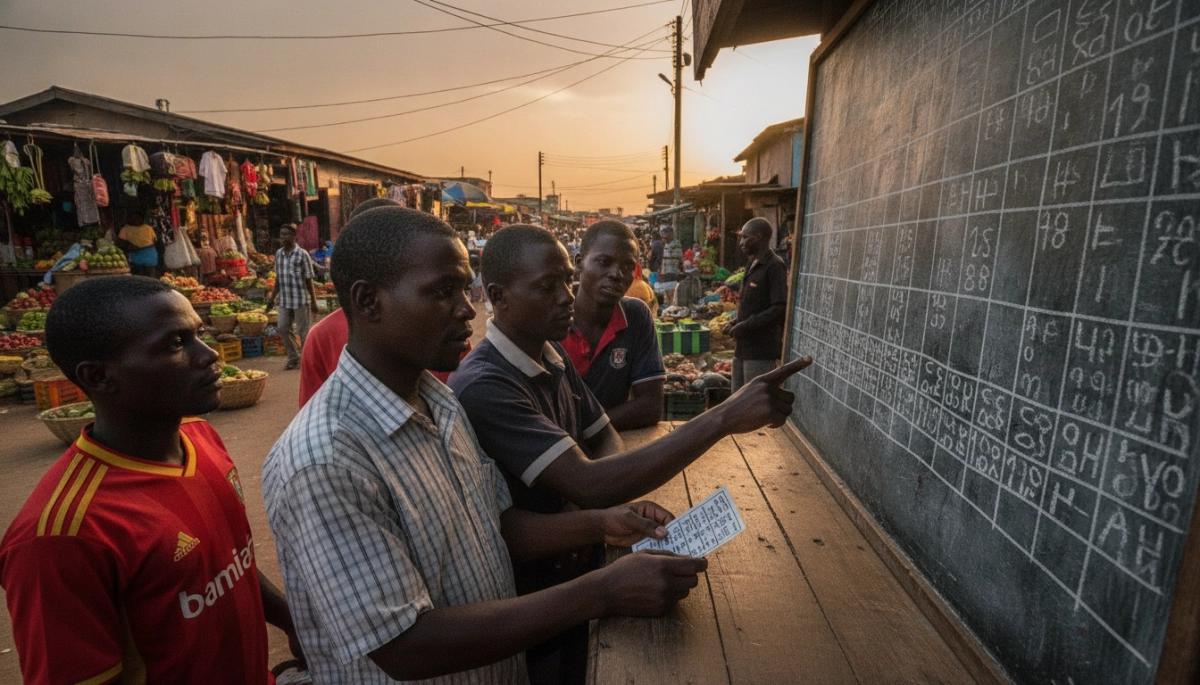
When a bettor in Dar es Salaam checks the odds on a Saturday Premier League fixture and sees them shift between Thursday evening and kickoff, the natural reaction is to wonder what changed. Did a player get injured? Did team news come out? Sometimes yes. But more often, the movement has less to do with facts on the pitch and more to do with how money is flowing through the market — and who is placing it.
This distinction matters enormously in sports betting Tanzania, where many recreational bettors treat odds as a pure reflection of probability. They see 1.75 on a home win and assume the bookmaker has calculated a 57% chance of that outcome. That framing is not entirely wrong, but it is incomplete in a way that costs money over time.
Odds are partly a probability estimate, but they are also a commercial instrument. Bookmakers move lines to manage exposure, not just to express confidence about outcomes. Understanding that difference is the first serious upgrade available to any bettor who has moved past picking teams by gut feel.
Why African Betting Markets Move Differently from European Ones
European markets covering the Premier League and Champions League operate with enormous liquidity. Sharp bettors, professional syndicates, and algorithmic traders hammer those lines constantly, so when odds move, it usually reflects genuine information entering the system quickly.
African betting markets behave differently. The pools are shallower, sharp money is thinner, and bookmakers set opening lines with more caution because they have less reliable data. A bookmaker pricing a Tanzania Premier League match or a Simba SC versus Yanga SC fixture works with far less historical volume than they would for a Manchester City game. That uncertainty is built into the price.
When a large number of Tanzanian bettors all back the same side — a popular local club in a home fixture — the bookmaker may shade the line not because new information arrived, but because they need to rebalance. The line moves, but the underlying probability has not changed at all.
What Line Movement Actually Signals — and What It Does Not
Line movement is not a reliable indicator of who will win. It is an indicator of where the money is going, which is a related but distinct piece of information. Sharp movement — driven by professional bettors tracking injuries, tactical changes, and conditions closely — tends to be meaningful. Recreational movement, which drives most African market shifts, often reflects bias and loyalty rather than any informational edge.
If odds on a home side shorten significantly on match day but no team news has been released, that movement is most likely driven by casual money backing the popular choice. The bookmaker is adjusting their exposure, not signaling that they have learned something new. Bettors who follow that movement are following the crowd rather than the information.
Recognizing this requires paying attention to timing, not just direction. An odds shift at market open — when only sharp operators are typically active — carries different weight than a shift three hours before kickoff when recreational volume peaks. When a line moves is often more instructive than how far it moves.
How Bookmakers in African Markets Protect Their Position
To read line movement intelligently, it helps to understand what bookmakers are actually trying to achieve. The goal is not to predict outcomes better than anyone else — it is to ensure that whatever the result, the book remains profitable.
In markets like Tanzania, local clubs attract disproportionate backing from loyal fanbases. When Simba SC plays at home, a significant portion of the public will back them regardless of form or opposition quality. Experienced operators know this before the market opens, so rather than waiting for recreational money to force a reactive adjustment, they shade opening lines preemptively — pricing Simba slightly shorter than a neutral assessment might justify, knowing they need room to absorb the inevitable flow.
This means the opening line already contains a commercial cushion. Bettors who assume it reflects a clean probability estimate are paying for a margin built in before a single bet was placed. The odds are not wrong — but they are doing more than one job, and probability expression is only one of them.
The Role of Liquidity Gaps in Creating Exploitable Moments
African markets, precisely because of their shallower liquidity, can move on relatively small amounts of money. A concentrated bet or a cluster of same-side wagers placed within a short window can produce a visible line shift that would barely register in a European market. This creates a specific opportunity — and a specific trap.
The opportunity: when a well-informed local source drives early movement on a regional fixture, that shift may carry genuine signal. Local bettors with direct knowledge of a squad’s condition, training ground rumors, or a coach’s likely setup can represent more useful information than any algorithm trained on historical data. In tight, low-information markets, proximity to the team sometimes outweighs quantitative sophistication.
The trap: assuming that any movement in a thin market is meaningful. Because it takes less money to move a line, random clustering — multiple bettors independently arriving at the same popular pick — can produce price changes that look like informed movement but contain no useful signal. The market moved, but nothing was communicated.
Separating these two scenarios requires tracking lines over time, not just checking them once before placing a wager. Bettors who note where a line opens, monitor how it moves through the week, and observe whether bookmakers restore it toward its original position get a considerably richer picture of what is happening beneath the surface.
What Stable Lines Reveal Just as Much as Moving Ones
Most discussion of line movement focuses on odds that shift — but lines that do not move carry their own information. When a bookmaker holds a price steady across a full week of betting activity, despite visible public interest, that stability is deliberate. It means they are comfortable with their exposure on both sides, or that they believe the original price was accurate enough that no adjustment is warranted.
In African betting markets, a stable line on a regional fixture often indicates a genuinely contested match where neither team’s backers are flooding the market. For bettors, this identifies matches where the bookmaker has not taken an implicit position through their pricing behavior — a different scenario entirely from a line shaded to absorb predictable bias.
- A line that opens short and drifts outward often signals that initial sharp interest was not sustained — worth investigating why.
- A line that opens longer than expected and then shortens steadily suggests growing confidence on one side, potentially from informed sources.
- A line that opens and closes at essentially the same price, despite visible betting volume, indicates the bookmaker achieved their desired balance — a different kind of signal altogether.
Reading all three patterns, rather than just tracking direction, is what separates a bettor who understands market mechanics from one who is simply watching numbers change on a screen.
Turning Market Literacy Into a Consistent Betting Habit
Everything discussed about line movement, bookmaker positioning, and liquidity gaps points toward a single practical shift: treating odds as a dynamic source of information rather than a static price tag. That requires a different kind of attention than most recreational bettors in Tanzania currently apply.
It means checking odds at market open and again closer to kickoff. It means asking why a line has moved before deciding whether to act on it. It means recognizing that following the crowd in a shallow market is often the same as following bias — and that the popular side and the correct side diverge more often than casual bettors expect.
The markets that reward this attention most consistently in Africa are the regional ones — Tanzania Premier League fixtures, CECAFA competitions, and other lower-profile matches where data is thin and proximity to ground-level information genuinely matters. The bookmaker’s edge is real, but so is the gap that attentive local bettors can exploit when they are reading the right signals. For anyone wanting to go deeper, Pinnacle’s betting resources on line movement offer a rigorous starting point that translates well to any market, including African ones.
The broader lesson is not that line movement is always meaningful or that bookmakers are always wrong. It is that odds communicate more than probability, and most of what they communicate goes unread by the average bettor. Learning to read that information — the direction of movement, the timing, the stability it reflects — is not a guarantee of profit. But in a market where the recreational majority bets on loyalty and surface-level intuition, simply understanding what the market is actually saying is already a significant edge. One that does not expire, and compounds quietly over time.