The Odds You See at Midnight Are Not the Odds That Matter at Kickoff
Most bettors in Tanzania place their bets and move on. They check the odds, they like the price, they confirm the slip. What they rarely do is track what happened to those odds between the moment they first appeared and the moment the referee blew the opening whistle. That gap, quiet as it seems, is where a significant amount of useful information sits untouched.
Odds movement is not random. When a line shifts from 1.90 to 1.65 on a home win overnight, something caused that shift. Understanding what that something is, and whether it should change how a bettor thinks about a selection, is one of the more underrated analytical skills in sports betting Tanzania has not widely discussed in practical terms.
This is not about chasing steam or copying sharp bettors blindly. It is about learning to read the market as a source of information rather than treating it as a static price board that only exists at the moment of purchase.
How Bookmakers Set Opening Lines and Why They Move
When a bookmaker opens a market, the initial odds are essentially a forecast with a margin built in. They reflect the bookmaker’s own probability model, adjusted for expected betting volume. At that early stage, the market is relatively soft. The prices carry uncertainty because not enough money has come in yet to test whether the line is well calibrated.
As bets arrive, the bookmaker’s liability shifts. If money floods in heavily on one side, the bookmaker adjusts the price to attract action on the other side and balance exposure. This is the most basic driver of odds movement, and it applies across every market, including African leagues where trading volumes are lower and lines can move more sharply from a smaller number of large bets.
There is a second driver that is less about liability management and more about information. When credible, high-volume bettors, sometimes called sharp money, place early wagers on a market, bookmakers update their lines in response. Not because the action unbalanced their book, but because they treat that kind of activity as a signal that their initial price may be wrong. In African betting markets, where bookmaker sophistication varies, this type of movement is less systematic but still visible if a bettor knows what to look for.
Why African Markets Move Differently Than European Ones
The Premier League and major European competitions attract enormous global betting volume. That scale means the market self-corrects quickly. Sharp opinions from thousands of informed bettors push lines toward efficient prices within hours of opening. The result is that by the time a Tanzanian bettor places a wager on a Saturday Premier League game, the odds have often already absorbed most of the useful information available.
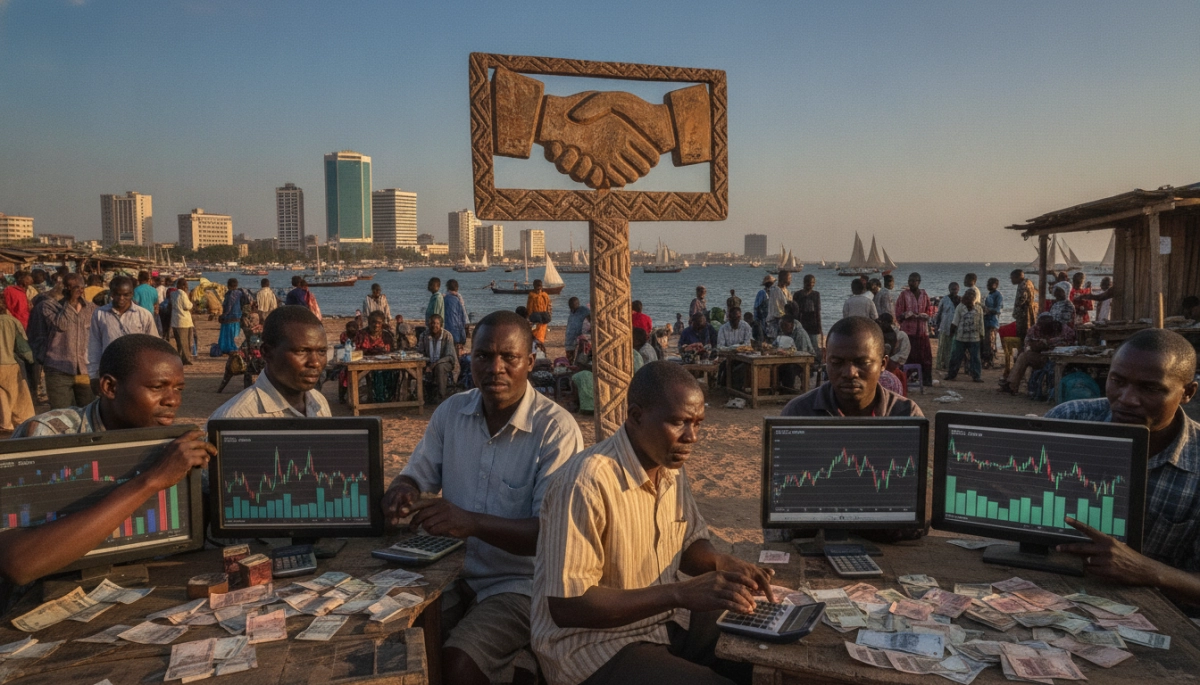
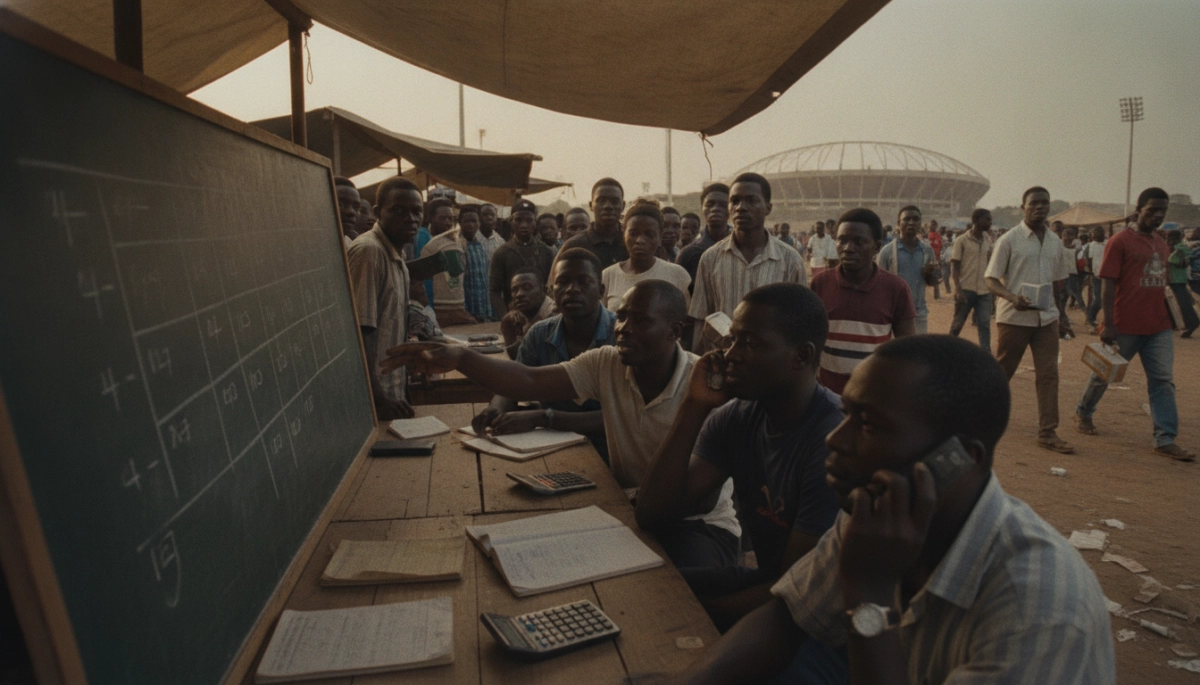
African leagues, including the Tanzania Premier League, operate in a different environment. Betting volume is lower, data is thinner, and fewer sharp bettors are actively monitoring those markets. That combination creates something interesting: the lines can stay mispriced for longer, and when they do move, the movement itself can carry more signal. A shift on a Tanzania Premier League match the morning of kickoff deserves more attention than a similar shift on a game in the English Championship, because the pool of information driving that change is smaller and potentially more specific.
Understanding who is moving the line, and why, is where the real analysis begins.
Reading the Direction of Movement, Not Just the Number
A bettor who notices that odds have moved is halfway to something useful. The other half is understanding the direction of that movement and what it implies about where the money went. These two pieces of information together tell a more complete story than either one alone.
When the price on a favourite shortens significantly before kickoff, the instinctive reaction from most bettors is disappointment. They feel like they missed a better price. But the more productive question is not whether the odds moved against you, but what kind of activity caused the shortening. If it was recreational volume, thousands of casual bettors picking the obvious team because of name recognition or recent form, that tells you something. If it was early sharp action from accounts with a track record of winning, that tells you something different and arguably more useful.
The same logic applies when odds drift outward. A team whose odds lengthen from 2.10 to 2.50 in the hours before kickoff has attracted less confidence from the market, not more. That might reflect an injury rumour, a team selection concern, or simply the weight of money going elsewhere. Any of those possibilities is worth investigating before treating the longer price as a straightforward value opportunity.
The Specific Signals That Appear in Local Match Markets
For bettors focused on Tanzanian football or other East African competitions, late line movement carries particular weight for a reason that connects directly to information access. Local knowledge travels through informal channels faster than it appears in official sources. A team that has quietly rested key players ahead of a cup fixture, or a squad dealing with internal disruption that never made the sports pages, may be reflected in the odds before it is reflected anywhere a bettor can easily find it.
This creates a practical framework worth applying consistently:
- Movement that happens more than 24 hours before kickoff is more likely driven by bookmaker positioning and early volume, not breaking information.
- Movement in the final two to four hours before kickoff is more likely tied to team news, confirmed line-ups, or late sharp action from bettors with specific knowledge of that match.
- Sudden, sharp movement of more than 15 to 20 percentage points in implied probability is almost never random and deserves active investigation rather than passive acceptance.
- Odds that open and then return to roughly the same position after an early move suggest the initial movement was absorbed and the market rejected the signal, which is useful information in itself.
None of these observations produce automatic betting decisions. They produce better questions, and better questions are the foundation of sharper analysis.
When Following the Line Is a Mistake and When It Is Reasonable
There is a persistent temptation in betting communities to treat line movement as directional advice. If the odds are shortening on a team, the argument goes, smart money must be going in and a bettor should follow. The problem with this logic is that it strips away all context and converts a nuanced signal into a mechanical instruction. That approach rarely ends well.
Following movement blindly is particularly risky in African markets precisely because the lower volume environment means individual large bets from recreational high-stakers can produce significant line movement without carrying any special information. A wealthy bettor in Dar es Salaam placing a large recreational wager on a local derby favourite might shorten the odds noticeably, not because he knows something about team selection, but because he supports that club. Bookmakers will adjust their liability regardless of the bettor’s motivation, and a sharp-eyed observer watching the odds could mistake that movement for informed activity.
The distinction between following a line and being informed by it is subtle but meaningful. Being informed means using the movement as one additional data point alongside team form, tactical context, and external factors. It means asking what caused the shift and whether that cause is relevant to the actual outcome of the match. Following a line means surrendering your own analysis to the implied wisdom of others, which in lower-volume markets is a far less reliable strategy than it might appear in deeper, more liquid competitions. The odds are a conversation happening in real time. A bettor who learns to listen to that conversation without being controlled by it is operating at a level that most recreational bettors simply never reach.
The Bettor Who Reads the Market Quietly Wins More Consistently
Odds movement is not a mystery to be feared, nor a shortcut to be exploited without thought. It is a language the market speaks continuously in the hours before kickoff, and like any language, it rewards those who take the time to learn its nuances over those who respond only to the loudest signals.
For bettors operating in Tanzanian and broader East African markets, the opportunity embedded in that language is arguably greater than in more saturated global markets. Thinner liquidity, slower information flow, and less professional trading infrastructure mean that meaningful signals can persist longer, that line movement can reflect genuinely localised knowledge, and that a disciplined observer has more room to form an independent view before the market catches up.
The practice of reading odds movement well comes down to a few habits applied consistently. Track opening lines and compare them to closing prices, even on matches you did not bet. Over time, patterns emerge about which directions of movement tend to be meaningful and which tend to be noise. Pay particular attention to late movement in local fixtures, where the ratio of information to volume is higher and where casual explanations are less convincing. And resist the pull toward mechanical interpretation, the assumption that shortening odds automatically mean a team is the right selection, or that lengthening odds automatically mean value has appeared.
A useful reference point for bettors who want to develop a more structured understanding of market efficiency and how professional trading approaches inform line movement is the work published by Pinnacle’s betting resources, which covers the underlying mechanics in depth and with intellectual honesty that is rare in the industry.
What the market knows at kickoff is almost always more than what it knew at opening. The bettor’s job is not to outrun that knowledge or to outsource their thinking to it, but to position themselves somewhere in between: informed enough to notice what the movement is saying, independent enough to decide whether it changes anything worth acting on. That balance, quiet and unglamorous as it is, sits at the heart of sustainable, thoughtful betting in any market, African or otherwise.