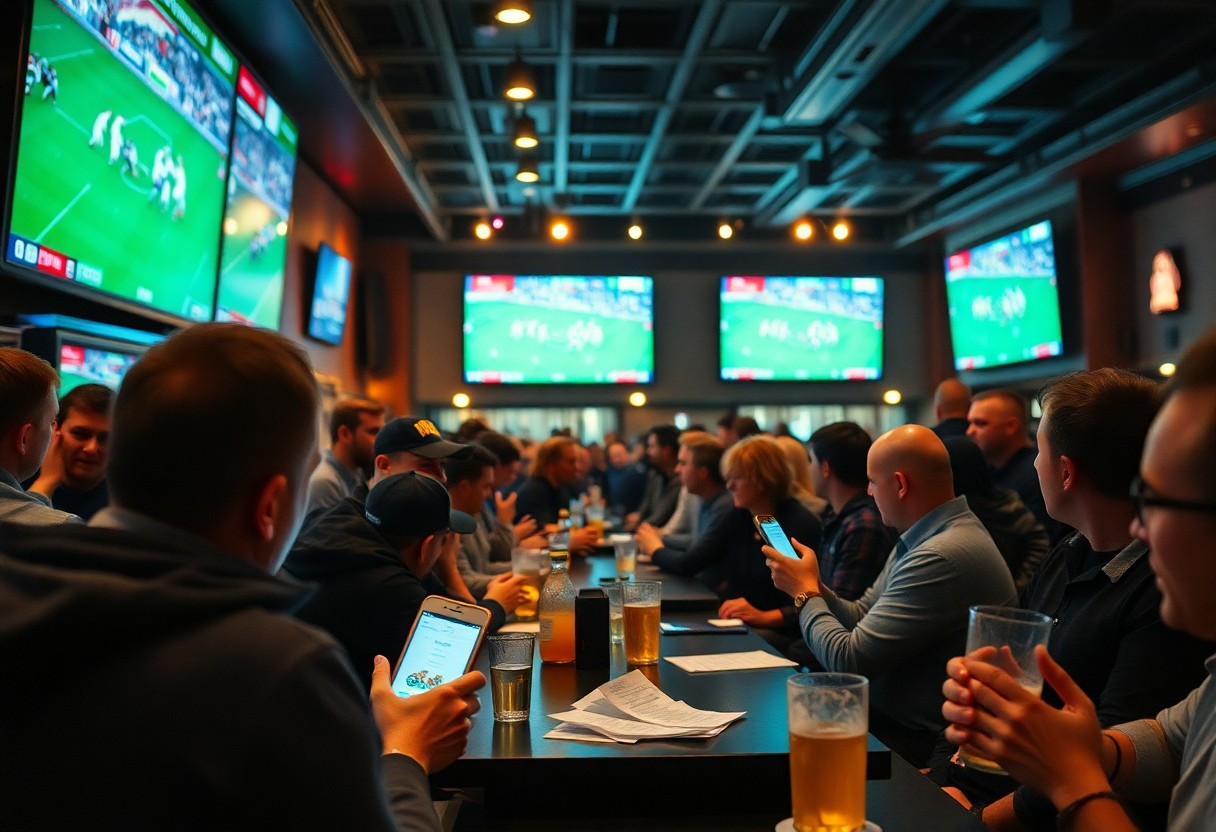

Losing streaks in betting: a reality every bettor faces
Every bettor eventually experiences a losing streak. It does not matter whether someone bets on football, basketball or any other sport. Variance is part of betting, and even the most careful analysis cannot guarantee consistent short-term results.
For many bettors, the real challenge is not the losses themselves but how they react to them. A few bad bets can easily lead to frustration, impulsive decisions and even larger losses.
This is why learning how to recover after a losing streak is one of the most important skills a bettor can develop.
In my experience as a bettor in Tanzania, the difference between long-term survival and quick bankroll destruction often comes down to discipline during difficult periods.
My experience with losing streaks as a bettor in Tanzania
Sports betting has become extremely popular in Tanzania, especially football betting. Many people follow the English Premier League, La Liga and the Champions League closely.
Like many bettors, I started with the belief that careful analysis would allow me to avoid long losing runs. Over time, I realized that losing streaks are inevitable.
There were weeks where several bets lost in a row despite good reasoning behind them. During those moments it becomes easy to question your strategy or feel pressure to recover losses quickly.
What helped me most was understanding that short-term results do not always reflect the quality of decisions.
Instead of trying to recover everything immediately, I learned to focus on controlling the process.
The biggest mistakes bettors make after losing
Chasing losses
One of the most common mistakes is chasing losses. After losing several bets, many bettors feel the urge to win the money back quickly.
This often leads to larger and riskier bets.
Increasing stake sizes too quickly
Another typical reaction is dramatically increasing the size of the next bet.
For example:
- normal bet: 5 dollars
- after losses: 20 dollars
This approach increases risk without improving the quality of the prediction.
Betting without analysis
Frustration can also lead to impulsive betting decisions.
Instead of carefully analyzing matches, some bettors place bets simply because they want action or fast recovery.
My personal approach to recovering from a losing streak
Step 1: Pause and reset
The first thing I do after several losses is stop betting for a short period.
This pause helps remove emotional pressure and prevents impulsive decisions.
Sometimes even one or two days without betting can reset the mindset.
Step 2: Review previous bets
Instead of focusing only on results, I review the reasoning behind my bets.
Important questions include:
- Was the analysis correct?
- Did I ignore important information?
- Were the odds actually valuable?
This review helps identify whether the losing streak was caused by variance or poor decisions.
Step 3: Reduce stakes and rebuild slowly
When returning to betting after a losing run, I reduce my stake sizes.
For example:
- previous stake: 10 units
- recovery phase: 3 to 5 units
This approach lowers risk while rebuilding confidence.
Gradually, as results stabilize, stake sizes can increase again.
Bankroll management during difficult periods
Good bankroll management is the foundation of betting recovery.
A simple rule I follow is that a single bet should represent only a small percentage of the total bankroll.
Many disciplined bettors use guidelines such as:
- 1% to 3% of bankroll per bet
- fixed stake sizes
- avoiding large accumulators
These rules help protect the bankroll during losing streaks.
The mental side of betting recovery
Betting is not only about statistics and analysis. Psychology plays a huge role.
During losing streaks, emotions such as frustration, doubt or impatience can affect decision making.
Maintaining emotional control is essential.
For me, this means focusing on long-term thinking and remembering that betting results fluctuate over time.
Comparing emotional vs disciplined betting
| Situation | Emotional bettor | Disciplined bettor |
|---|---|---|
| After losses | Chases losses | Takes a pause |
| Stake size | Increases aggressively | Keeps stakes controlled |
| Decision making | Impulsive | Analytical |
| Long-term outcome | High volatility | Greater stability |
This comparison highlights how mindset influences betting results.
Conclusion: turning a bad run into a learning moment
Losing streaks are unavoidable in sports betting. What truly matters is how a bettor reacts during those difficult periods.
By pausing, reviewing decisions and managing bankroll carefully, it is possible to recover from a bad run without risking everything.
For me as a bettor in Tanzania, the key lesson has been simple: success in betting is not about avoiding losses entirely, but about staying disciplined when they happen.
FAQ
Are losing streaks normal in betting?
Yes. Even profitable bettors experience losing streaks because sports outcomes contain a high level of randomness.
Should bettors try to recover losses quickly?
Generally no. Trying to recover losses quickly often leads to larger and riskier bets.
What is the safest approach after a losing streak?
Taking a short break, reviewing previous bets and reducing stake sizes.
How important is bankroll management?
It is essential. Proper bankroll management helps bettors survive losing periods.
Can a bettor become profitable in the long run?
Possibly, but it requires discipline, careful analysis and strong emotional control.