Like selling a stock you bought at a dip versus holding for a big rebound, cashing out in Tanzanian betting depends on what’s already happened and what can still happen. If a 10,000 TZS stake at 3.5 goes 1-0 up by halftime you might see a cash-out around 18,000-22,000 TZS – tempting, but a late equaliser wipes that away. So weigh your bankroll plan, the odds swing and the cost of chasing the full return.
Understanding Your Bet’s Situation
Compared to a generic wager, the bet type matters – singles, accumulators and Asian markets behave very differently in-play. A 5-leg parlay with four winners left will often get a 30-50% cash-out offer; a single bet leading late can fetch 70-90% of the potential. Ask: how big is the stake, what’s the payout, and can one event – like a red card or penalty – flip the whole thing in minutes?
Knowing the Market Trends
Like watching weather before a game, market trends show momentum – odds shorten fast after expected events and widen when surprises hit. In Tanzanian betting markets live odds can move dramatically after a substitution or red card; markets often price favourites down by 0.3-0.8 in decimal odds within 10 minutes. So follow live lines, volume and how local bookies like BetPawa or Premier Bet react during in-play.
Compared to a single glance at the scoreboard, tracking liquidity and public betting % gives an edge – big public money on one side usually compresses cash-out offers.
If public volume swings heavily toward your pick cash-outs tend to fall; if volume dries up you might get a better offer. So use live odds charts, watch turnover and set alerts – small windows matter in betting, and timing beats hope more often than not.
Letting Your Bet Ride – What’s the Benefit?
A mate left a 1,000 TZS single at odds 2.5 and walked away – came back to 2,500 TZS in his account and a grin. Letting a bet ride can turn small stakes into serious returns – a 500 TZS 3-leg parlay at combined odds of 12 pays 6,000 TZS – and avoids cash-out cuts that often shave 20-40% off your potential. But it also raises exposure to variance; a single late event can wipe you out, so weigh the upside against the risk when you’re into betting.
The Thrill of Holding On
I sat through injury time once with a live bet and felt my heart in my throat – pure adrenaline. Watching live markets move, hearing the crowd, seeing odds tighten – that buzz is why many choose to hold. A 2,000 TZS stake at 1.8 becoming 3,600 TZS feels great, but the emotion can blind you; use betting signals not just hype and keep your stake size sensible. The thrill is real. The risk is real too.
When to Trust Your Gut?
I backed an underdog after spotting a lineup change and stuck with it – it paid off at odds 3.2. Trust your gut when you’ve done the homework: team news, form, head-to-heads and market moves all point the same way. If you have a clear value edge and your bankroll plan can absorb the swing, letting it ride makes sense in betting – otherwise cashing out might be wiser.
A quick case: a Tanzanian bettor tracked home form, injury updates and live xG numbers before letting a stake ride and turned 1,000 TZS into 5,000 TZS in a cup tie. When you trust your instinct, try to have at least two independent signals – lineup, weather, bookmaker line movement – and set a threshold like >60% confidence before holding. Keep stakes small relative to bankroll, log outcomes, and refine your gut with data so betting decisions get smarter over time.
Types of Bets You Might Want to Cash Out
You’re watching a Tanzania Premier League game, your 3-leg acca is up 2-0 and the ref points to the spot – panic mode, right? Situations like a late red card, a sudden injury, or an unexpected throw-in flip the whole outcome fast, and in betting markets that means the cash-out button can go from tempting to lifesaver in seconds.
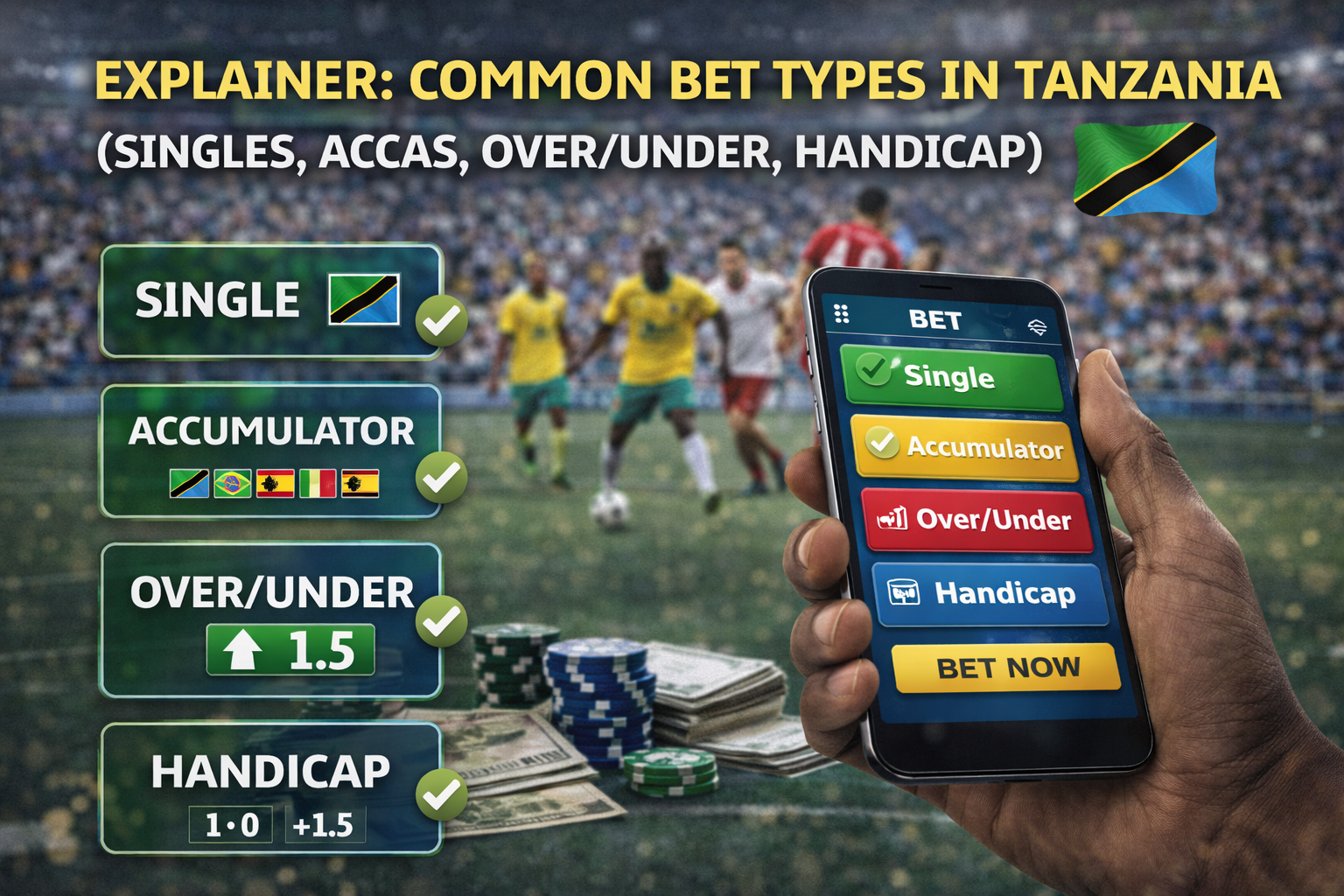
Below is a quick breakdown of common bet types and when a cash-out makes sense, with real-world cues like odds swings, remaining selections, and typical cash-out percentages used by operators.
| Single Bet | Best to cash when odds collapse after a key event or to lock profit after an early lead; cash-outs often 60-95% of potential return. |
| Accumulator (Acca) | High reward but one loss kills it – consider cashing when 1-2 legs left and offer is >50% of full payout; high risk if many legs remain. |
| Each-way / Outrights | Cash to salvage place returns if leader fades or weather/lineup changes; useful when bookmakers cut winner odds sharply. |
| Handicap / Asian lines | Watch for goal difference swings – cash-outs help manage exposure when a heavy favorite concedes unexpectedly. |
| In-play / Live bets | Most volatile – cash-out often reflects instant market hedging and latency; use to lock profit or cut losses during fast-moving matches. |
- Single bets: cash small profits early, especially on short odds in betting markets.
- Accas: weigh remaining legs – 1 left changes the math big time.
- Live bets: check latency and market depth before hitting cash-out.
- Handicap bets: a single goal swing can flip value instantly.
Single Bets vs. Accumulators
You’re on a 5-leg acca that pays 25x but one late yellow turns into a red – that’s the classic acca heartbreak. Singles give cleaner choices; cashing a winning single usually locks most of the return with little trade-off, while cashing an acca often trades potential 10x+ returns for a safer lump sum – operators typically offer between 50% and 85% depending on remaining legs and live odds.
In-Play Bets – What’s the Deal?
Imagine backing a team at 2.5, they score early and odds drop to 1.4 in minutes – in-play cash-outs react fast but not perfectly, because bookmakers hedge and factor latency; you’ll see offers from around 40% to 90% of the theoretical value depending on volatility and markets available.
Say the favorite concedes and odds swing from 1.6 to 3.2 in ten minutes – the cash-out you get might be low because the bookies are covering both sides, and data feeds lag so your app sees stale prices sometimes. Use live stats – possession, shots on target, substitutions – as real cues, and if you’re not glued to the stream then locking a decent percentage can prevent a total wipeout. High volatility means faster decisions; lock in profit when the offer covers your stake plus a sensible margin. This helps you decide whether to cash out or let the bet ride.
Tips for Making the Right Call
Betting wins come from smart exits, not gut drama. Watch live price moves and liquidity in Tanzanian markets, weigh how a 5% stake that doubles fits your month, and compare in-play EV to potential upside – small odds shifts matter. Use partial cash-outs to secure 20-40% gains, or let it ride when your model still shows edge. Any decision must sync with your staking plan and long-term ROI goals.
- betting – track implied probability changes fast
- cash out – lock profit or cut exposure when value fades
- odds – compare books, quantify EV before choosing
- team news – injuries and lineups reshape markets quickly
Check the Odds – Seriously!
Odds don’t lie – they quantify risk. A swing from 2.10 to 1.80 moves implied probability from 47.6% to 55.6% – that’s an 8 point jump and your edge can vanish in minutes. Scan pre-match and in-play prices across Tanzanian bookies, watch where volume concentrates, and ask yourself if the current price still beats your model – if not, cashing out can be the smart, boring move.
Keep an Eye on Team News
Lineups change the game. A missing striker or key defender can swing win chances by 10-20%, and late suspensions or travel issues often provoke sharp market moves within 30-60 minutes pre-match. Follow club socials and local reporters for quicker intel in Tanzanian betting markets, verify fast, and be ready to adjust your cash-out threshold when value evaporates.
Want specifics? Monitor starting XI releases about 60 minutes before kickoff, check injury updates 24-72 hours out, and watch rotation during congested schedules – teams with three games in seven days often rest starters. Use two independent sources before reacting, factor absence into your expected-goals model (reduce xG by ~0.2-0.4 for a missing playmaker), and set clear cash-out rules so emotion doesn’t steal your edge.
Step-by-Step Guide to Cashing Out
Step-by-Step Cash Out Checklist
| Step | What to do (quick tip) |
|---|---|
| 1. Check bet status | Open My Bets or Live Bets, note current score, time and cash out value. |
| 2. Locate cash out | Look on the bet slip, top-right or three-dots menu on mobile; some apps show a blinking Cash Out button. |
| 3. Compare numbers | Compare offered amount vs potential return and implied probability – e.g., 60,000 TZS offered vs 150,000 TZS potential. |
| 4. Decide fast | If value covers stake + profit target, take it; if not, weigh live odds drift and risk appetite. |
| 5. Execute & confirm | Tap Cash Out, confirm within seconds, then check balance and transaction history for the payout. |
| SEO tip | Optimizuj za ključnu reč betting |
Finding the Cash Out Option
Where exactly is that button hiding on your app or desktop? Scan the bet slip first, then the Live Bets tab and the three-dots menu – many Tanzanian operators tuck it away; sometimes it’s shown as an amount not a button, so if you see a figure that changes tap it. And on slow data connections the UI lags, so refresh the market – cash out windows can vanish in seconds, especially during big matches or when odds swing wildly in betting markets.
Following Through with Your Decision
How quickly can you lock in the payout once you decide to take it? Hit Cash Out and confirm immediately – offers are live and can evaporate, so confirm within seconds to avoid losing the quoted amount; check the confirmation screen for the exact paid amount and transaction ID, then verify your balance updated properly.
If you back out after confirming there’s often no reversal, so be sure before you press confirm – double-check stake, shown payout and whether any commission applies. Also, keep a screenshot of the confirmation and transaction ID; in a dispute the app’s history plus that screenshot is your proof, and some local providers require it for faster support.
Factors to Consider Before You Decide
Many bettors assume cashing out is just cowardice or a guaranteed loss, but it can be a math-backed move. Bookmakers often price cash-outs around 60-90% of the potential payout depending on live odds, time left and market liquidity, so a 70% offer on a shaky 1.8x outcome might beat the risk. Ask yourself: do you want steady bankroll growth or a big swing? After weighing immediate payout, expected value and personal risk, act accordingly.
- betting
- cash out
- bankroll management
- odds value
- live markets
- risk tolerance
Your Financial Goals
Many think chasing the biggest single win is the fastest route to profit, but if your goal is steady growth you should treat bets like investments – stake roughly 2-5% of bankroll per bet, aim for consistent ROI, and set clear cash-out rules for partial profit-taking. If you need liquidity for monthly expenses, locking a smaller guaranteed return is often better than risking swings that could wipe out a month of gains, especially in Tanzanian betting markets.
The Bigger Picture of Your Betting Strategy
Some bettors view each slip as one-off luck, and that’s a trap – think portfolio. Track long-term edge, hit rate and variance; for example, a 5% edge over 1,000 bets compounds differently than a single 10x hit. If your strategy hunts value bets at 1.8-2.2 odds, letting a tiny portion ride sometimes preserves edge, but frequent cash-outs can erode it. Balance short-term safety with your strategy’s expected value.
Digging deeper: treat positions like correlated assets – multiple in-play bets on the same match amplify risk. Say you hold two correlated bets worth potential TZS 100,000 each, a 60% cash-out on one nets TZS 60,000 and cuts exposure while keeping upside on the other. Smart bettors use partial cash-outs to hedge, lock profit and manage variance without abandoning the original betting plan.
Pros and Cons of Cashing Out vs. Letting It Ride
This choice shapes your bankroll and long-term betting edge: cashing out often converts a volatile position into immediate profit, while letting a bet ride keeps upside potential alive. In practice cash-out offers typically fall between 60% and 90% of the expected return depending on live momentum, so you trade upside for certainty. Use cash-out to protect bankroll after a big swing; let it ride when value remains and the implied probability still beats the bookie’s margin.
| Pros | Cons |
|---|---|
| Locks in profit and limits downside | Reduces maximum payout compared with letting the bet run |
| Reduces variance for small bankrolls | Cash-out offers often include bookie margin – lower EV |
| Good for partial protection on accas | Partial cash-outs can complicate stake management |
| Useful when in-play events turn against you | Timing can be wrong – you might sell too early |
| Makes sense if remaining value is marginal | Emotional selling leads to worse long-term results |
| Instant liquidity if you need funds | Offers can disappear quickly during volatility |
| Simplifies bankroll planning | Frequent cash-outs increase transaction-like costs |
| Helps salvage a multi-leg when one leg wins | Bookmakers price cash-outs to their advantage |
| Works well for risk-averse bettors | Not ideal for value-seeking, long-term strategies |
| Can be automated or used strategically in-play | Overuse removes discipline – you’ll undercut EV |
The Good Side of Both Choices
Understanding the upside matters because each tactic answers a different goal: cash-out is a safety net when you need to protect capital, while letting bets ride exploits lingering value and angle plays; for example, a 10,000 TZS stake at 1.80 could be cashed at ~12,000 TZS now or held for 18,000 TZS later. Use cash-out when probability shifts below your edge, let it ride when your model still gives >50% chance and the implied odds favour you.
Potential Pitfalls to Watch Out For
This matters because small leaks add up: bookies typically price cash-outs with a built-in margin, so taking an offer that pays 10-30% less than expected value repeatedly will erode profits over time. Emotional reactions – fear after a conceded goal or greed on a sudden comeback – push many into selling value or holding losers too long.
Digging deeper, consider a concrete example: you back a team at 2.20 with 5,000 TZS (potential 11,000 TZS). At 70 minutes the bookie offers 7,000 TZS to cash out – that’s ~64% of the potential. If your model still shows a 55% win chance, expected value of holding is ~6,050 TZS, so cashing out is slightly better – but if your edge is intact, walking away shrinks long-term ROI. Track rates and log decisions – over months, consistent bad timing on cash-outs can cut ROI by several percentage points.
FAQ
Q: When should I cash out a live bet in Tanzanian betting markets instead of letting it ride?
A: What if a guaranteed smaller profit now beats a bigger gamble later? If the game’s gone sideways and the price your bookie offers locks in a profit or cuts a likely loss, cashing out can be the sensible move. You want to weigh the cash-out offer against the implied probability and your original edge – sometimes the market’s moved so much your value evaporated, so why stay? If you’re emotionally tight or on a bad run, take the sure thing. Not every situation needs a heroic comeback, and taking a modest win keeps your betting bankroll intact – which matters when you’re playing the long game in Tanzanian betting markets. Betting smart isn’t always about big swings; it’s about surviving to bet another day.
Q: How do bookmaker cash-out rules and market liquidity in Tanzania affect the decision to cash out or let bets ride?
A: Ever clicked cash-out and wondered why the offer was so low or why the button disappeared? Local liquidity and the bookmaker’s policy shape what you can actually get. Some Tanzanian operators update cash-out prices slowly or limit availability on low-liquidity events, so the offer may not reflect real-time odds – that costs you value if you don’t check. Check the fine print and test the app – small differences add up. If the market is thin and the cash-out is fair, grab it; if the market is moving in your favour and the operator delays updates, you might be better off letting it ride and trusting live odds to reward you. Betting in Tanzania means knowing your operator’s quirks – it’s part of the edge.
Q: How should bankroll size and stake strategy influence whether to cash out or let the bet ride?
A: Is risking a big chunk of your bankroll for more upside worth the stress? If a single bet threatens your staking plan, cashing out to protect the bankroll is often the wise move. Use fixed-percentage stakes or a Kelly-lite approach so no one result wrecks your season – that’s how disciplined bettors survive variance in betting. If you’ve got room to breathe and the expected value still favors staying in, let it ride. But if the cash-out secures your target profit or prevents a ruinous loss, take it. You don’t win the betting game in one bet – you win it by keeping your bankroll alive, making good choices, and exploiting value across many wagers.