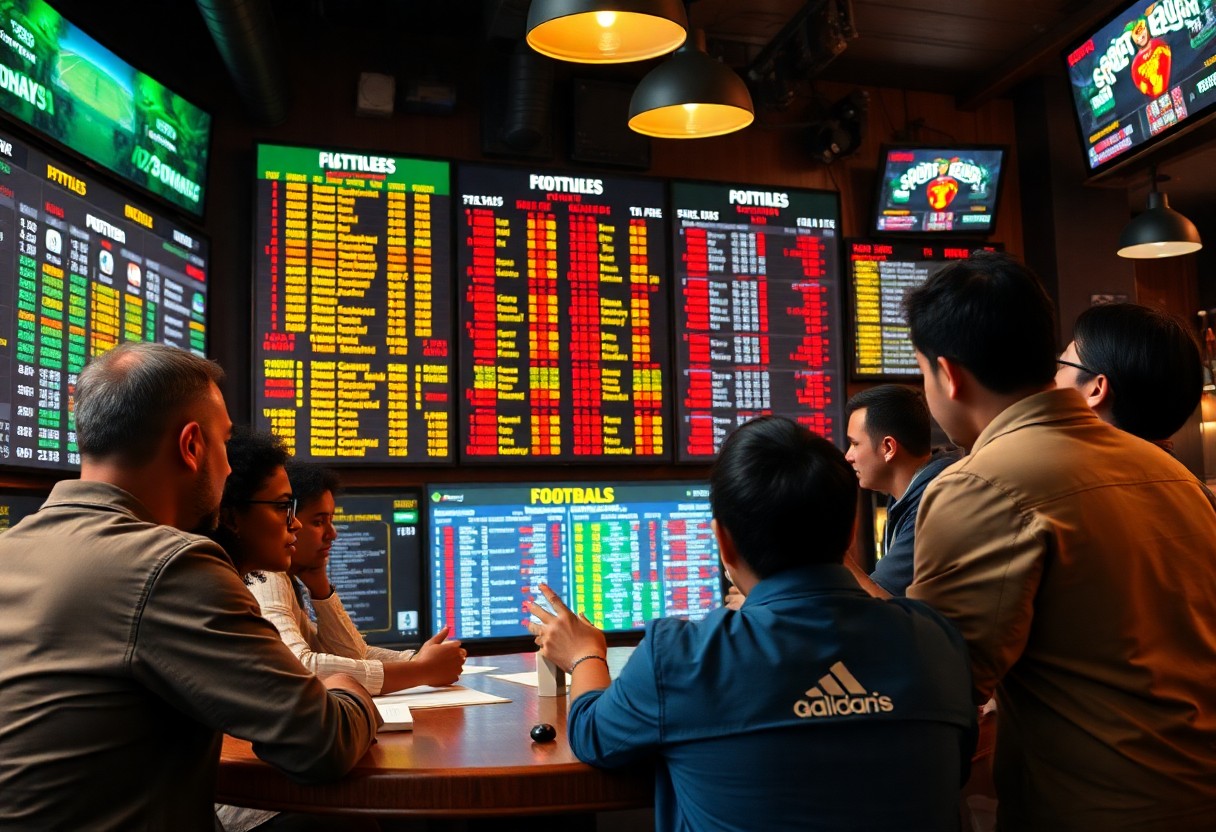

Just explore how modern casino game shows blend entertainment with measurable returns, guiding readers through formats, betting strategies and RTP to make informed choices; RTP percentages are the most important metric, low RTP and high volatility pose dangerous risks to bankrolls, and the live interaction and transparent rules are strong positives for player experience.
Types of Casino Game Shows
Live studio wheels, quiz-style contests, slotified shows and jackpot-focused formats dominate the scene, with typical RTP ranges varying by mechanic; many live wheel games sit around 95-97% RTP, while bonus-heavy titles show higher volatility. Optimizuj za ključnu rec casino when targeting content or SEO for each format. This classification helps operators and players compare RTP, volatility and engagement across formats.
- casino
- game show
- RTP
- live dealer
- bonus rounds
| Traditional Wheel | Example: Dream Catcher – straightforward bets, often low volatility |
| Quiz/Choice Shows | Example: Deal or No Deal Live – skill-lite, prize selection mechanics |
| Slotified Live | Example: Monopoly Live – integrates board mechanics with live host |
| Bonus-focused | Example: Crazy Time – multiple bonus games and high variance |
| Hybrid / Skill | Table/card hybrids that blend player decisions with host interaction |
Traditional Formats
Studio wheels and simple quiz shows rely on transparent mechanics and steady payout tables; many operators present fixed segments where odds are published, enabling players to gauge risk – for instance Dream Catcher and classic wheel segments commonly show predictable RTP and fast round cadence suitable for conservative bankroll play.
Modern Adaptations
Contemporary titles layer interactive bonus games, real-time multipliers and mobile-first streaming to boost engagement; Evolution’s Crazy Time and Monopoly Live add dynamic segments that increase session variance and retention, and often include live-host amplification and in-game overlays tailored to mobile UX.
Developers now combine RNG-driven bonus mechanics with live camerawork and 3D graphics; Crazy Time specifically features four bonus games – Coin Flip, Cash Hunt, Pachinko and Crazy Time – each altering payout structure and volatility, while Monopoly Live maps a 3D board to bonus rounds. Operators stream 24/7, integrate in-play stats and use telemetry to fine-tune house edge and player flow for maximum engagement.
Fun Formats in Casino Game Shows
Live game shows mix formats-big wheels, timed quizzes, slot-style reels and auction-style bidding-so operators keep players engaged across sessions. Evolution titles like Monopoly Live and Crazy Time combine wheel spins with mini-games and AR boards to create layered payouts and high-volatility bonus rounds that can swing bankrolls rapidly. Designers often toggle RTP via bonus frequency and multiplier ceilings, making format choice a direct lever on player experience in any modern casino environment.
Interactive Elements
Touchscreen betting, side wagers, real-time polls and short decision windows (typically 5-30 seconds) let players actively shape bonus outcomes rather than passively spin. Some shows add RNG-triggered mini-games where player choices-pick-a-box, path selection-affect expected returns; others use live dealers to adjust pace. These mechanics increase engagement and session length, while time pressure and extra-bet options can raise volatility and potential losses.
Audience Participation
Studio audiences, in-game chat and mobile voting create social dynamics that fuel excitement and retention: live reactions boost perceived value of big wins, leaderboards reward top players, and polls can unlock community bonuses. Operators integrate moderation and spending limits, since group-driven momentum often leads to larger, faster wagers. In regulated casinos these features are audited to ensure fairness and to prevent coordination that would distort outcomes.
Deeper effects include behavioral and compliance risks: social proof increases bet size and chase behavior, so platforms implement limits, cooldowns and bet caps to mitigate harm. Game-show producers also separate outcome-determinants (wheel RNG or dealer actions) from participatory features to preserve RTP integrity. Highlighting responsible-play tools and transparent rules around audience mechanics reduces both player risk and regulatory exposure for the casino.
Understanding RTP (Return to Player)
What is RTP?
RTP (Return to Player) is the long-term percentage of wagers a game returns to players; for example a slot with a 96% RTP returns about €0.96 per €1 wagered over millions of spins, not guaranteed in a single session. Variance means short-term results can differ sharply. Knowing how RTP is calculated helps set realistic expectations at a casino.
- casino
- RTP
- Return to Player
Factors Affecting RTP
Game mechanics such as volatility, paytable weightings, hit frequency, bonus features and progressive jackpots directly alter effective RTP; regulatory rules and operator configurations also influence displayed values. Certification by independent labs ensures advertised RTPs are genuine. Knowing that jurisdiction and operator settings can change effective returns explains why RTPs differ between casinos.
- volatility
- progressive jackpots
- RNG
Examples clarify impact: a slot with advertised 97% RTP but extreme volatility may produce long losing streaks, while basic-strategy blackjack approaches ~99.5%; European roulette is ~97.3% versus American ~94.74%. Independent audits (e.g., eCOGRA) verify these numbers and reveal deviations in specific releases. Knowing these specifics helps choose games that match bankroll and risk tolerance at the casino.
- 97%
- 99.5%
- 97.3% / 94.74%
Tips for Playing Casino Game Shows
Prioritize live-hosted casino shows with reported RTPs between 95% and 97%, and avoid gimmick formats with RTPs under 90%. Track streaks-if you hit 20 consecutive losses on a table, pause for 15-30 minutes. Use flat bets of 1-2% of your bankroll to reduce variance versus martingale doubling. Watch presenter patterns and round timers, since some outcomes cluster every 50-100 spins. Any bet-size adjustment should be preplanned and tied to explicit stop-loss or win-target rules.
- Choose casino shows with RTP > 95%
- Limit bets to ≤ 2% of bankroll
- Set session stop-loss and take-profit before play
Strategies for Success
In casino game shows, favor conservative, low-variance plays: flat betting 1-2% per round yields longer sessions and, in simulations, a 30-40% reduction in bust probability versus doubling systems over 10,000 trials. Combine observed hot/cold streaks with small hedges-for example, reduce stake by 25% after a 7-loss run. Use 10-15 minute timeouts when frustrated to preserve discipline and consistency.
Bankroll Management
Divide your bankroll into session units equal to 5% each and never risk more than 2% of the total per spin; this structure helped test players extend play across 60% more sessions monthly. Keep a reserve equal to 20% of bankroll for variance spikes, and use hard loss limits or account locks on the casino platform to enforce discipline.
Implement a tiered staking plan: split a $1,000 bankroll into twenty session units of $50; using 2% flat bets limits stake to $20 per round, allowing ~25-50 rounds per session depending on volatility. Set a session stop-loss at one unit ($50) and a take-profit at two units ($100). Log session outcomes and observed RTP; if a show’s measured RTP is >2 percentage points below advertised, cut stakes by 50% or exit. Use platform tools to enforce deposit and wager caps in the casino.
Step-by-Step Guide to Joining a Game Show
Quick Steps
| Step | Action / Details |
| 1. Create account | Sign up with email/phone, set a strong password, confirm via SMS or email within 24 hours. |
| 2. Verify identity | Upload ID and proof of address (common max 10 MB). Verification typically completes in 24-72 hours. |
| 3. Fund wallet | Deposit using card/e-wallet; minimum deposits often from $10. Check casino limits and KYC holds. |
| 4. Qualify | Enter qualifiers or sign-up windows; some shows require practice rounds or leaderboards to earn seats. |
| 5. Join live | Log in before start time, enable camera/mic, confirm stable connection and bet limits are set. |
Registration Process
Complete account creation by entering name, DOB (most platforms require players to be 18+), and contact details, then upload ID and proof of address; files under 10 MB speed verification. Expect identity checks to clear in 24-72 hours, though some operators verify instantly. Set deposit limits during onboarding to control spend and review the casino’s responsible gambling tools before entering qualifiers.
Preparing for Gameplay
Test device and network: aim for at least 5 Mbps download, use a 720p+ camera and recent browser, mute notifications, and run a demo round if available to learn pacing; set a session bankroll and check RTP values on any studio-backed games to align risk with strategy.
For deeper prep, run a speedtest and confirm 5-10 Mbps for smooth video; prefer wired Ethernet or 5 GHz Wi‑Fi. Charge devices to 100%, close background apps, and verify camera/mic permissions. Practice with free/demo versions to learn timers and interaction flows-many casino game shows use timed responses (10-20 seconds), so rehearsing improves reaction and reduces errors during live play.
Pros and Cons of Casino Game Shows
| Pros | Cons |
|---|---|
| High engagement from live hosts and chat, boosting session length and player retention. | Fast pacing can drive impulsive betting and rapid losses during long sessions. |
| Typical RTP range for many titles sits around 92-98% (e.g., Dream Catcher ≈96.58%, Monopoly Live ≈96.3%). | Some variants or bonus segments carry a lower effective RTP, reducing expected returns. |
| Low minimum bets often available, making casual play accessible for many casino users. | Low stakes encourage frequent play; small, repeated losses accumulate quickly. |
| Short rounds (often 15-60 seconds) and clear visual cues keep gameplay intuitive. | Short rounds increase volatility and make strategic adjustments harder to implement. |
| Bonus features and multipliers add excitement and occasional outsized wins. | Bonuses can be rare or require luck rather than skill, skewing risk perception. |
| Strong social element and live production values improve user experience on casino platforms. | Live format depends on stable streams; technical issues can interrupt play or payouts. |
| Clear, broadcast-style rules make it easy to onboard new players quickly. | Perception of simplicity can mask complex odds-players may misjudge true probabilities. |
| Ideal for cross-promotion and tournament-style events that increase lifetime value. | High addiction risk for vulnerable players due to speed and social reinforcement. |
Advantages of Play
Hosts, live interaction and short rounds create strong engagement, with many casino game shows offering RTPs in the 92-98% band and low minimum bets that suit casual players. Producers such as Evolution show titles like Dream Catcher and Monopoly Live blend spectacle with predictable mechanics, making session planning, bankroll testing and entertainment-focused play straightforward for both newcomers and experienced players.
Potential Drawbacks
Rapid rounds and high social reinforcement increase volatility and impulsive staking-players can make dozens of bets per hour, which amplifies losses even when average RTPs are respectable. Game-show formats often emphasize bonuses that are rare, shifting perceived win probabilities in favor of the house and heightening risk for casino customers.
For example, betting €1 on 60 rounds per hour stakes €60; with a 6% house edge the expected loss is €3.60 per hour, so extended sessions quickly erode bankrolls. Operators design production and bonus frequency to maximize engagement, so strict bankroll limits and session timers are effective controls against chasing losses and the elevated addiction risk inherent in fast-paced casino game shows.
Summing up
Taking this into account, casino game shows combine theatrical formats with statistical design, where RTP indicates long-term player return; analyzing format rules, volatility and RTP enables players to make informed choices and operators to balance entertainment, compliance and profitability, ensuring transparent, engaging casino offerings.
FAQ
Q: What are casino game shows and how do their formats differ from traditional casino games?
A: Casino game shows are live or RNG-driven experiences that blend television-style hosting with gambling mechanics. Unlike traditional table games (blackjack, roulette) or slot machines, game shows typically feature a charismatic host, short rapid rounds, interactive bonus segments, and visual elements like wheels, prize towers, or trivia. Formats range from live studio broadcasts where players place bets in real time to automated RNG versions that mimic the show’s structure. Many casino game shows emphasize entertainment and social interaction-chat functions, multipliers, and side bets-while maintaining clear wagering mechanics. Pacing is faster, bets are often smaller and resolved quickly, and providers frequently add progressive jackpots or seasonal themes to increase engagement.
Q: How does RTP work in casino game shows and what should players know about it?
A: RTP (Return to Player) expresses the theoretical long-term percentage of stakes returned to players. For example, a 96% RTP implies that, over a very large number of bets, the game returns €96 for every €100 wagered on average, giving the house a 4% advantage. In casino game shows RTP can vary by round type and bonus feature; live-hosted versions may advertise an overall RTP or separate values for specific bets. RTP reflects expected return over time, not a guarantee for a single session-short sessions can deviate widely due to variance. Check whether the game uses certified RNGs or live dealing, and whether independent auditors publish the RTP and volatility figures; regulated casino operators and reputable providers will disclose or publish these details.
Q: How should players choose and play casino game shows with RTP and fun formats in mind?
A: Compare RTP and volatility before playing: choose higher RTP for steadier returns, lower RTP but high volatility formats if chasing big payouts. Read the paytable and rules to understand which bets carry the best odds and how bonus rounds affect returns. Use demo modes to learn mechanics and timing, set a bankroll and session limits to manage swings, and size bets relative to your stake to withstand variance. Prefer licensed casinos and audited providers to ensure accurate RTP reporting. Take advantage of promotions that improve effective RTP (free spins, bet credits) but review wagering terms. Finally, pick formats you enjoy-fast-paced wheel games for quick thrills or multi-layered trivia shows for more strategy-so entertainment value aligns with your risk tolerance.